FREQUENTLY ASKED QUESTIONS
Q: How do we do this remotely if we aren’t in the same city?
A: The best place to start is to download my project planning checklists, specifications worksheet and email me with a brief overview of your project. From there we can come up with the best way to proceed forward. Sometimes/oftentimes I recommend to people to get someone local due to the complexities or the size of the project. Sometimes I feel that I can provide the best value for a potential client. This is where we start. I have the ability to share modeling and floorplan layouts in real time via Teams while we collaborate on design. I can access your lot information via the County Assessors website and depending on the project I can usually get the dimensions of your existing residence from there along with distances to the property lines. I might ask for specific measurements. Note that this is a service for people who want to save money by doing some or a lot of the legwork themselves, relying on me to provide what they need that they would have difficulty doing themselves.
Q: I think I have a good idea of what I want, where should I start.
A: Typically the best place to start for an addition or a stand alone building is by talking with your local jurisdiction about what is and isn’t allowed on your lot. This can also typically be looked up online, but there are a lot of caveats depending on your lot location (corner, or with neighboring property on all sides except street), when your subdivision was built, etc…even if you know the zoning. Also there are carveouts and exceptions to setback rules depending on what you want to build and the height of the structure. An official from your local jurisdiction can access your property information and give you specifics on what is or is not allowed.
Then possibly, talk with some contractors about what you would like to do.
Q: What should I be aware when dealing with contractors
A: First of all get their license number and check it out with your states registrar of contractors. On this site you will find out whether they actually are contractors (fraud is rampant). The status of their license, any disciplinary action or claims against them, and the amount of years they have been registered.
I can’t stress this enough; be careful with a contractor you don’t know well. I’ve had to do drawings for unpermitted structures where a disreputable contractor told the homeowner that everything was taken care of, only to have the project red-tagged for lack of a permit. There is a lot of fraud out there. Be aware of that.
Q: What is your fee structure?
A: Every job is different, but I can ballpark a few items:
Simple stand-alone garages or sheds - Starting at $500
Simple patio covers: Starting at $800
Small Additions $1500-$2500 + HVAC design costs (if applicable) and Engineering (if applicable)
Casita’s: Starting at $1500 + HVAC design costs (if applicable) and Engineering (if applicable)
Q: What is included in a plan set?
A: A plan set includes:
General Information Pages: Vicinity Map, Job Data, Building Codes, Design Criteria (Seismic, Wind, Materials Structural Values), Specific Trade Instructions (Codes) etc - 2 Pages
Site Plan
Foundation Plan
Floor Plan
Framing Plan
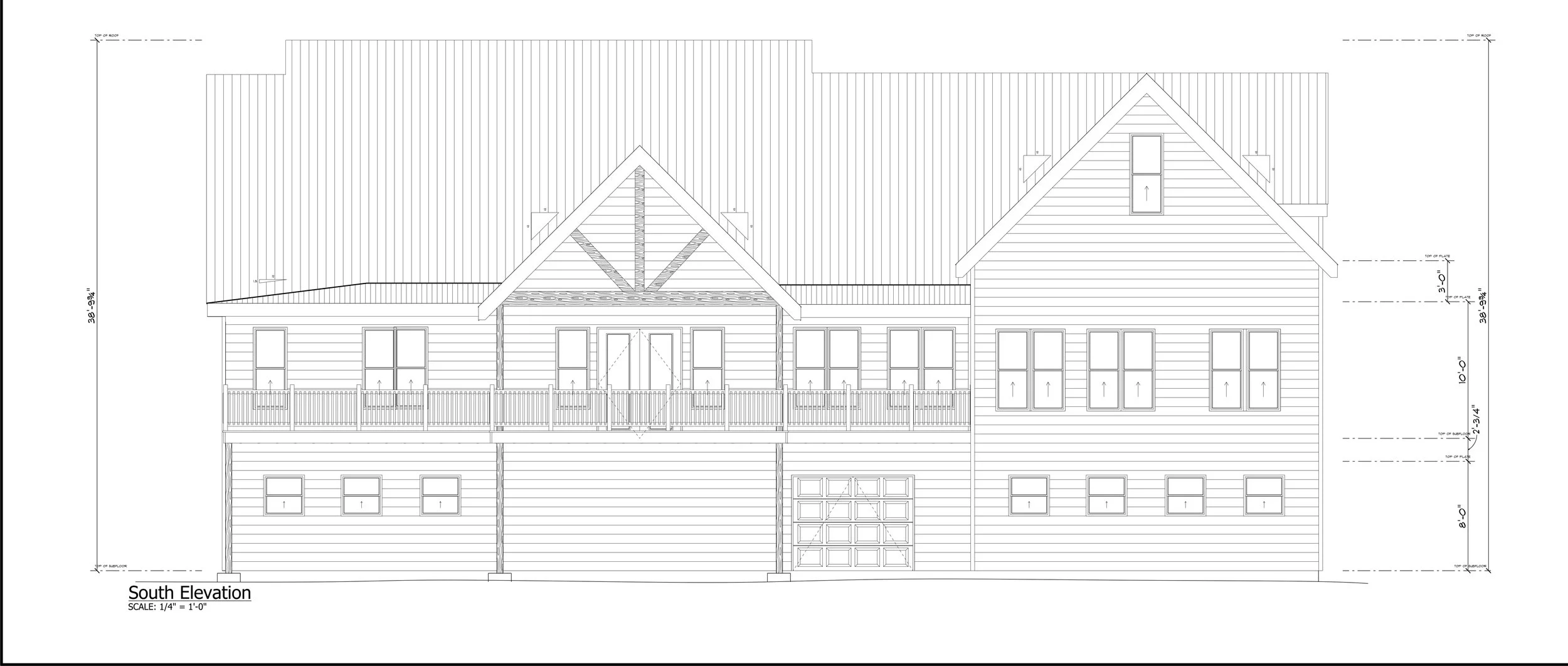
Elevations
Cross Sections
Details
Q: Will I need engineering work?
A: Possibly; depending on the aspects of the building (wall heights, door and window opening locations, roof type, etc…) the design can fall under a category that we call, “Prescriptive,” (which means we can use predetermined design criteria to avoid custom engineering).If the aspects of the building as noted above exceed or are outside the scope of, “Prescriptive,” then yes, you will need engineering work. Engineering work can be expensive, but sometimes when considering the overall construction costs, it might be more cost effective to design something simple to construct and pay for the engineering required rather than use prescriptive methods.
For the site plan it depends on the jurisdiction and the kind of building to be constructed. Oftentimes, habitable buildings require grading and drainage (G&D) plans (which require a civil engineer) although an exception has been carved out in the A.R.S. for Casitas. Sometimes a stand alone building such as a shop or a garage might require a G&D plan depending on size. All jurisdictions have different rules.